500 Pieces, 45 Minutes: Meet America's Speed-Puzzling Obsessives
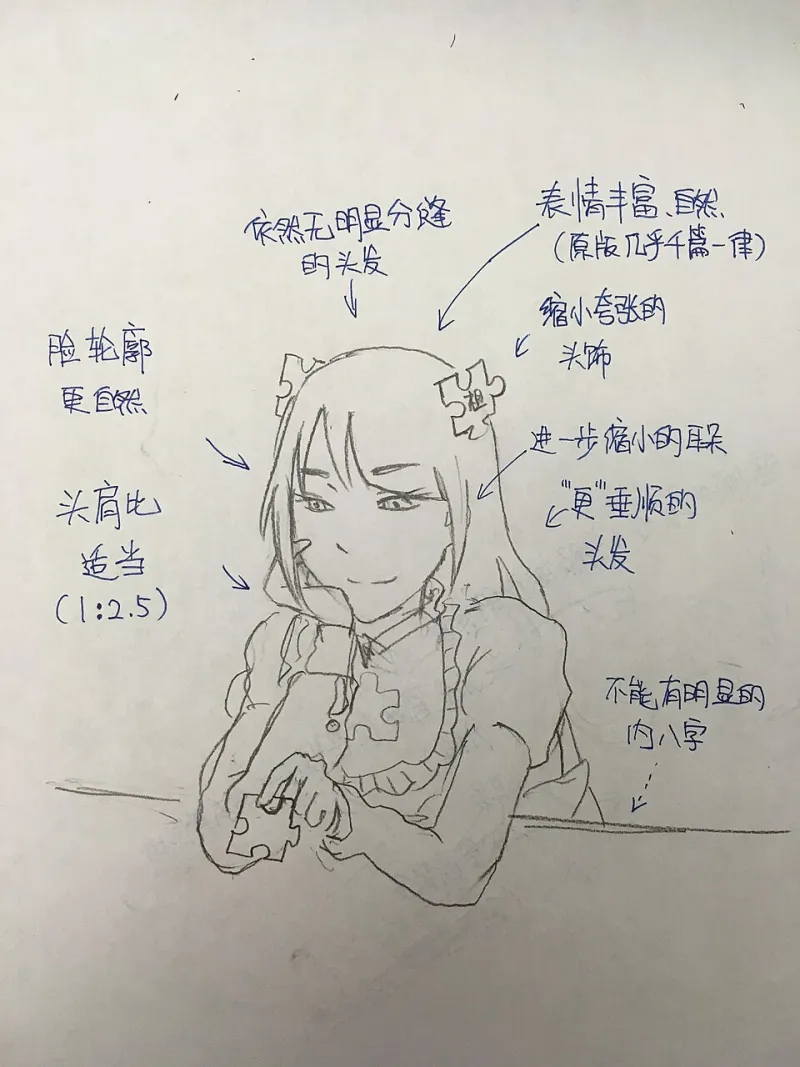
Photo: 燃灯, CC BY 3.0, via Wikimedia Commons
There's a moment at every jigsaw competition that outsiders never forget. The timer starts, a thousand people flip their boxes at once, and the room erupts into the sound of a thousand pieces hitting tables simultaneously. It sounds like rain on a tin roof.
Then, roughly 45 minutes later, someone slams down their final piece, throws both arms in the air, and yells — because in speed puzzling, finishing first is only half the job. You have to prove you finished it correctly.
From Kitchen Tables to the USA Jigsaw Nationals
Competitive puzzling has exploded in the U.S. over the last several years, with the USA Jigsaw Nationals in Virginia Beach drawing hundreds of competitors across solo, pairs, and team divisions. The rules are simple: same puzzle, same start, fastest correct finish wins.
The math is humbling. Elite solvers routinely complete 500-piece puzzles in under 45 minutes — a pace that works out to finishing a piece every five seconds, without breaks, while maintaining the fine motor control of a watchmaker.
How Do You Even Train for This?
Ask a competitive puzzler about training and you'll get answers that sound like a cross between a chess club and a CrossFit gym.
They study piece shapes by brand, because every manufacturer cuts differently. They sort by color and edge first, but the best solvers have refined their sort order down to the second. They do 'piece-per-minute' drills. Pairs teams develop their own silent language — a tap on the table means 'I've got the edge,' a pointed finger means 'center section, go.'
The psychology piece is real, too. Pattern recognition under pressure is a trainable skill, and competitors describe entering a flow state where the image on the box stops mattering and the pieces start speaking in pure shape and gradient. One national champion described it as 'the puzzle assembles itself and I'm just the hands.'
The Cozy Sport With a Cold-Blooded Edge
Here's the tension that makes speed puzzling fascinating: the culture is aggressively wholesome, and the competition is ruthlessly efficient. Rivals share tips in the same Facebook groups where they scout each other's times. The person who beats you by ninety seconds might hand you their favorite sorting trays afterward.
There's also a quiet debate about the arms race side of things — puzzle-specific lighting, custom felt mats, whether commercial puzzles are 'fair' competition material. Sound familiar? Every sport eventually argues about equipment. Puzzling just does it with more cardigans.
Why It's Having a Moment
Part of the appeal is accessibility. There's no barrier to entry — you probably have a puzzle in your closet right now. The pandemic puzzle boom pulled millions of people into the hobby, and a chunk of them discovered they were, statistically speaking, disturbingly fast.
If you want to test yourself, regional competitions now happen across the country most weekends, and plenty of solvers got their start by timing a 500-piece run at the kitchen table. Set a timer. Flip the box. See what happens.
Just know this: somewhere in America, a retired teacher just did it eleven minutes faster.