Twist and Shout: The Latex Warriors Racing the Clock, One Balloon Dog at a Time
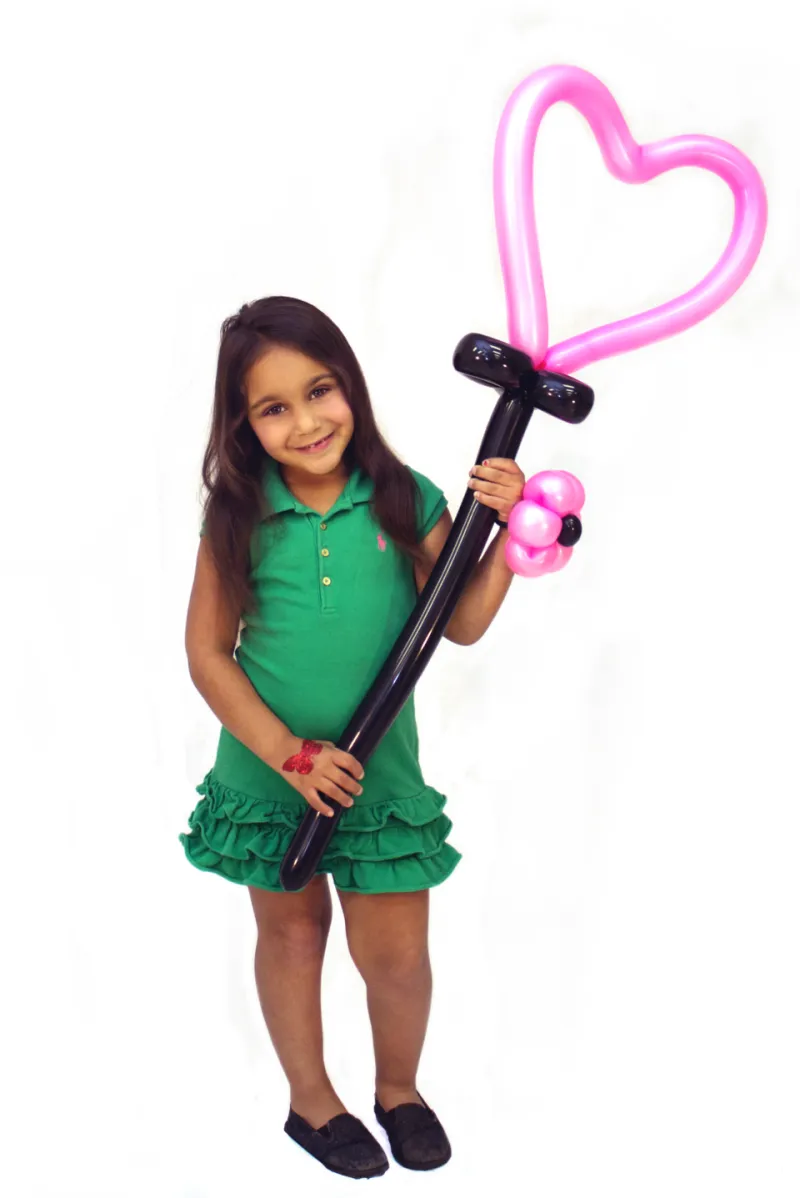
Photo: YTE Events and Balloon Decorating, CC BY-SA 4.0, via Wikimedia Commons
Somewhere in a hotel conference room in Ohio, a man in a PPE apron is sweating through a two-minute deadline. His medium: balloons. His goal: a fire-breathing dragon with a wingspan wider than the judging table. His competition: forty of the fastest fingers in the balloon world, all twisting just a few feet away.
Welcome to competitive balloon twisting, the corner of the entertainment universe where latex meets pure adrenaline. And if you've never heard of it, stick around — because this community has all the drama, dedication, and finger cramps of any pro sport you can name.
The Clock Is the Real Opponent
The format sounds simple enough. Competitors get a fixed window — anywhere from ninety seconds to several hours, depending on the event — to produce a sculpture. Speed rounds reward raw velocity and clean execution. Artistic rounds give twisters more time but demand jaw-dropping complexity: think life-sized dinosaurs, wearable balloon dresses, or a fully articulated motorcycle you could theoretically ride (please don't).
Judges score on technique, line quality, proportion, and creativity. A squeaky, uneven twist can cost you points. So can a balloon that pops mid-build, which happens constantly and is exactly as heartbreaking as it sounds.
"The biggest misconception is that this is party entertainment," one veteran competitor told us at a regional convention in the Midwest. "These are engineers. These are sculptors. We just happen to use a medium that squeaks."
Meet the Twisters
The top ranks of the sport read like a roster of specialist athletes. There are speed demons who can produce a six-petal flower in under ten seconds. There are detail obsessives who spend twenty hours weaving a single balloon gown, weaving layer upon layer until the material stops looking like balloons entirely.
And unlike a lot of niche competitions, the balloon scene is genuinely global. World championship events pull entrants from dozens of countries, and the US contingent is deep — bus drivers, nurses, software developers, all united by the same drive to inflate, twist, and pop their way to a podium finish.
The community skews friendly but fiercely competitive. At conventions, the hallway practice tables fill up days before the official event starts. Everyone's drilling. Everyone's scouting. Everyone's pretending they're not scouting.
The Physical Toll of Latex
Here's the part nobody talks about: balloon twisting hurts. Hours of rapid twisting leaves fingers raw and blistered, and the repetitive motion is rough on wrists and thumbs. Some pros keep hand salve in their competition kits alongside their pumps. Others talk about building up "twister's calluses" the way a guitarist builds up fingertips.
There's also the lung factor. Many artists inflate by mouth for smaller pieces, which is exactly as exhausting as it sounds and a surprisingly good core workout.
Why It's Growing
Part of the appeal is accessibility. Entry costs are laughably low — a bag of balloons and a pump gets you started for under twenty bucks. Part of it is the sheer spectacle: watching someone build a five-foot sculpture in four minutes is genuinely jaw-dropping, and convention organizers have started streaming finals to audiences who stumble in curious and leave converted.
The next time you see someone making a poodle at a kid's birthday party, take a closer look. There's a decent chance they're practicing for nationals.