From Bedroom Timers to Brand Deals: The Surprising Business Behind Competitive Cubing

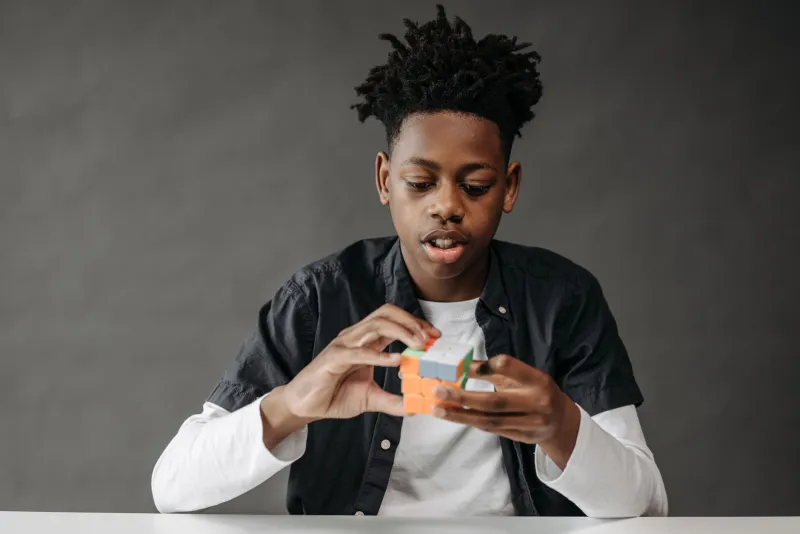
Picture a teenager in their bedroom, a timer on the desk, fingers moving so fast they blur. They're not gaming. They're not practicing an instrument. They're solving a Rubik's Cube — over and over again — chasing a personal best measured in fractions of a second. Now picture that same teenager, a few years later, signing a sponsorship deal worth tens of thousands of dollars.
That's not a fantasy. That's Tuesday in the speedcubing world.
What most people still think of as a novelty — something to fidget with at a gift shop — has quietly matured into one of the most surprisingly robust niche economies in American youth culture. Competitive speedcubing, the sport of solving twisty puzzles as fast as humanly possible, now supports a full-blown industry ecosystem: hardware manufacturers, media companies, event organizers, coaches, and a growing roster of athletes who get paid to cube.
The Hardware Arms Race
Let's start where the money flows most visibly: the cubes themselves.
Back in the day, everyone worked with whatever Rubik's brand cube they found at Toys R Us. Today, that's almost quaint. The premium cube market — dominated by Chinese manufacturers like GAN, MoYu, and QiYi — sells magnetic, speed-optimized puzzles that can run anywhere from $15 to well over $60 a piece. These aren't toys. They're precision instruments, engineered with adjustable tensions, corner-cutting geometry, and rare-earth magnets to help pieces snap into alignment mid-solve.
GAN, widely considered the Apple of the cube world, has built a brand identity so strong that top competitors actively seek out their sponsorships. And those sponsorships are real. Elite cubers — particularly those consistently placing at World Cube Association (WCA) events — can land deals that include free product, revenue shares, and flat fees for social media promotion. Some of the top names in the scene are pulling in five figures annually just from hardware partnerships.
"It's not just about slapping a logo on something," one tournament regular explained on a popular cubing subreddit. "These companies want faces. They want the people kids look up to."
YouTube: The Engine Under the Hood
If cube companies are the sponsors, YouTube is the stadium.
The cubing community on YouTube is enormous and deeply engaged. Channels dedicated to tutorials, unboxings, solve breakdowns, and "average of five" challenge videos routinely pull hundreds of thousands of views. A handful of creators — names like J Perm (Dylan Wang) who boasts over a million subscribers — have built genuine media businesses around the hobby.
Monetization comes from multiple directions: AdSense revenue, affiliate links to cube shops, sponsored integrations, and Patreon memberships from dedicated fans who want extra content or early access to tutorials. For creators who hit the algorithmic sweet spot, cubing content can generate income comparable to a solid full-time salary — without ever leaving the house.
What makes cubing content particularly sticky is its built-in educational component. Parents feel good letting their kids watch it. Schools have even started incorporating cubing into STEM curricula, which only broadens the potential audience. It's a rare corner of the internet where a creator can be both wildly entertaining and genuinely instructive.
Tournament Money and the Prize Pool Question
Here's where things get complicated — and interesting.
Unlike traditional esports, which have normalized massive prize pools (think Dota 2's multi-million dollar The International), speedcubing tournaments have historically operated on shoestring budgets. The WCA, the sport's global governing body, runs competitions through a volunteer and registration-fee model. Prize money, when it exists at all, is often modest — think a few hundred dollars for a regional win.
But that's starting to shift.
Corporate-sponsored invitationals and exhibition events are beginning to offer more substantial purses, especially as brands recognize the marketing value of attaching themselves to viral-friendly content. A well-filmed solve — particularly a world record attempt — can rack up millions of views in days. That kind of organic reach is catnip for sponsors.
Some organizers are also experimenting with formats borrowed from esports: live-streamed brackets, commentary teams, head-to-head showdowns. The Red Bull Rubik's Cube World Championship, which the energy drink giant has backed in the past, is a prime example of how outside investment can elevate both the production value and the payout potential of cubing events.
Is Speedcubing an Esport? The Debate Is Real.
Say "esport" to a hardcore cuber and you'll get a mixed reaction. Some love the framing — it validates the competitive rigor, the training regimens, the mental stamina required to perform under pressure. Others push back, arguing that cubing is a physical skill sport as much as a mental one, and deserves its own lane.
Either way, the structural parallels are hard to ignore. There are rankings. There are national and world championships. There are coaches — actual coaches — who work with young competitors on finger tricks, lookahead (the ability to plan your next moves while executing the current ones), and psychological composure during timed solves.
Colleges have started to take notice, too. Cubing clubs are common on campuses, and there are whispers — increasingly less whisper-y — about the hobby's potential as a scholarship-adjacent activity, particularly as schools look to recruit students who demonstrate focus, pattern recognition, and competitive drive.
The Kids Who Are Actually Doing This
The most remarkable thing about the speedcubing economy isn't the money — it's who's building it.
A huge chunk of the community's most influential figures are teenagers and young adults. Kids who started solving cubes at 10 or 11 are, by 17, running YouTube channels, consulting with hardware companies on product development, and representing brands at competitions. The barrier to entry is low (a decent cube costs less than a video game), but the ceiling is remarkably high.
For a generation that grew up watching peers become millionaires on Twitch and TikTok, the idea of monetizing a niche skill feels completely natural. Speedcubing just happens to be one of the more surprising arenas where that instinct has paid off.
What Comes Next
The speedcubing industry is still young enough that its ceiling is genuinely unclear. More corporate sponsorship could mean bigger events and better visibility. Streaming platforms are always hunting for the next breakout niche. And as the current generation of teenage cubers grows into adult professionals, the community's institutional knowledge — and its business savvy — will only deepen.
For now, though, the scene retains something charming about it: a genuine love for the puzzle at the center of everything. The money is real, the careers are real, but so is the kid in the bedroom, chasing that next personal best, one sub-10-second solve at a time.
And honestly? That's exactly the kind of story we're here for.